
Chapter 1
Phishing, fake ads, and social tricks
What you'll get from this chapter: How to spot a fake email, ad, or web page when the spelling and logos look perfect, and the one habit that beats all of them.
In this chapter
- Words in this chapter
- Your steps
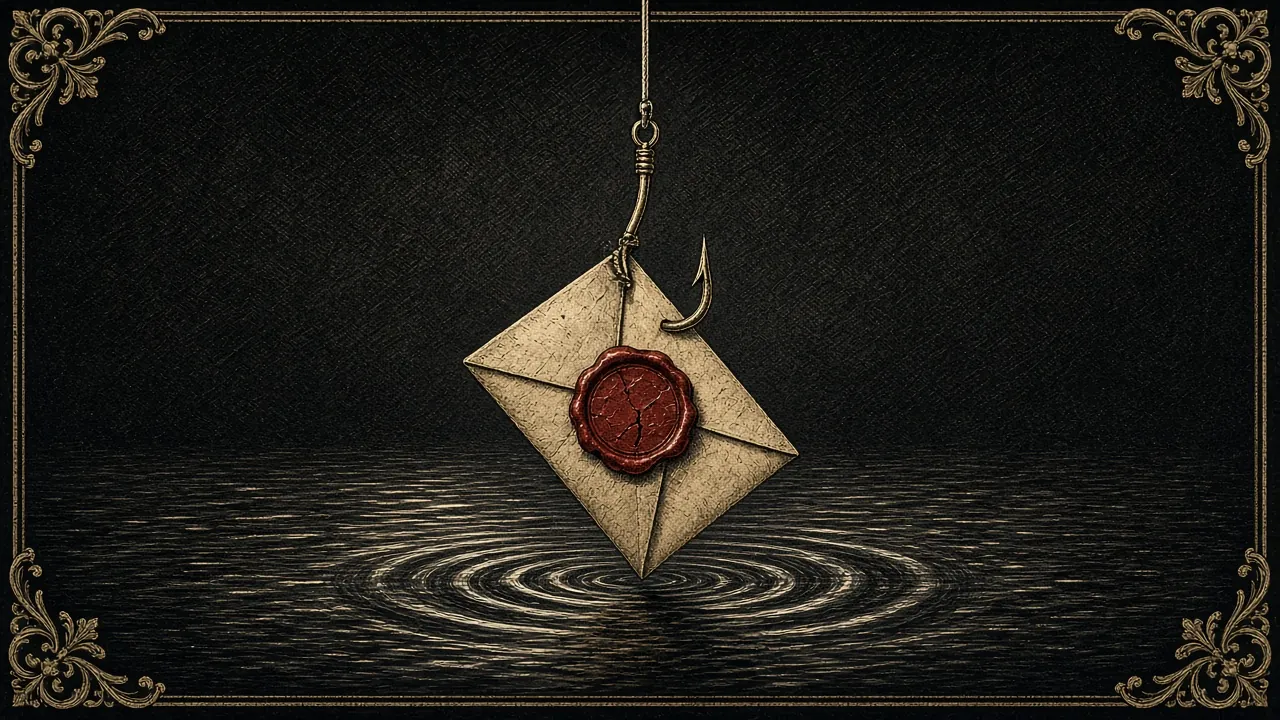
Many break-ins and scams still begin when a person opens a message, advertisement, or web page that only looked official.
In 2025 the FBI (Federal Bureau of Investigation) logged 191,561 complaints about and spoofing, which means messages and pages that pretend to come from someone you trust. Direct losses jumped 208%, to about $216 million, even though the number of complaints barely moved. Each successful attack is doing more damage.¹
Artificial intelligence (AI) tools have wiped out the old warning signs. Spelling is clean. Logos are right. Fake celebrity video ads () and lures hidden in (quick-response codes, the square barcodes you scan with your phone camera) are now ordinary. What still works is context: you were not expecting this message, and it wants you to act before you think. Tricking a person instead of breaking a machine is called . It is the engine behind every scam in this book.
Legitimate companies almost never demand a password, a payment, or a gift card in a surprise email. Close the message. Type the company’s real web address yourself.
Phishing usually goes after one prize above all others: your email account. The next chapter shows why, and how to lock it.
Words in this chapter
- . A message, page, or advertisement that pretends to be a company or a person you trust, so you will give up a password, a code, or money.
- . Audio or video generated to imitate a real person’s voice or face. A familiar voice on the phone is no longer proof.
- . Federal Trade Commission. The U.S. agency that collects reports about fraud, scams, and unwanted calls. Report a scam at ReportFraud.ftc.gov.
- . Internet Crime Complaint Center. The FBI’s website for reporting internet crime, especially when money moved or cryptocurrency was involved: ic3.gov.
Your steps
Sources
¹ FBI Internet Crime Complaint Center, 2025 Internet Crime Report (2026), complaint and loss tables. https://www.ic3.gov/AnnualReport/Reports/2025_IC3Report.pdf